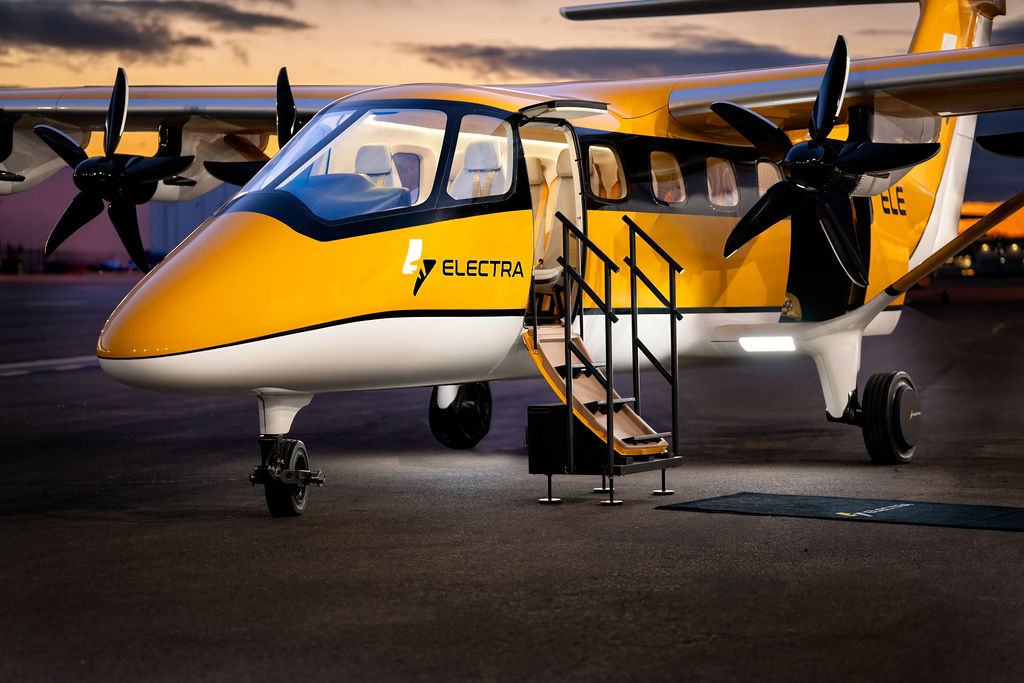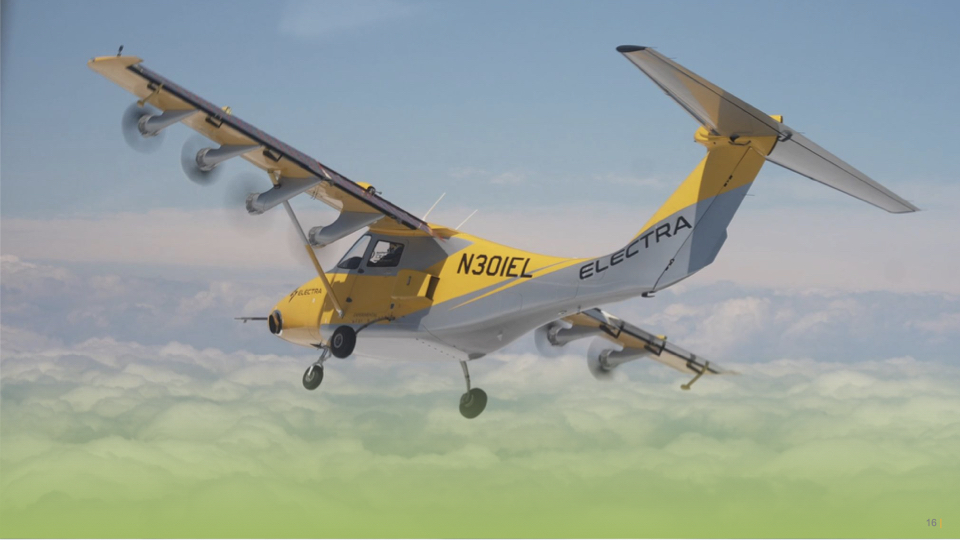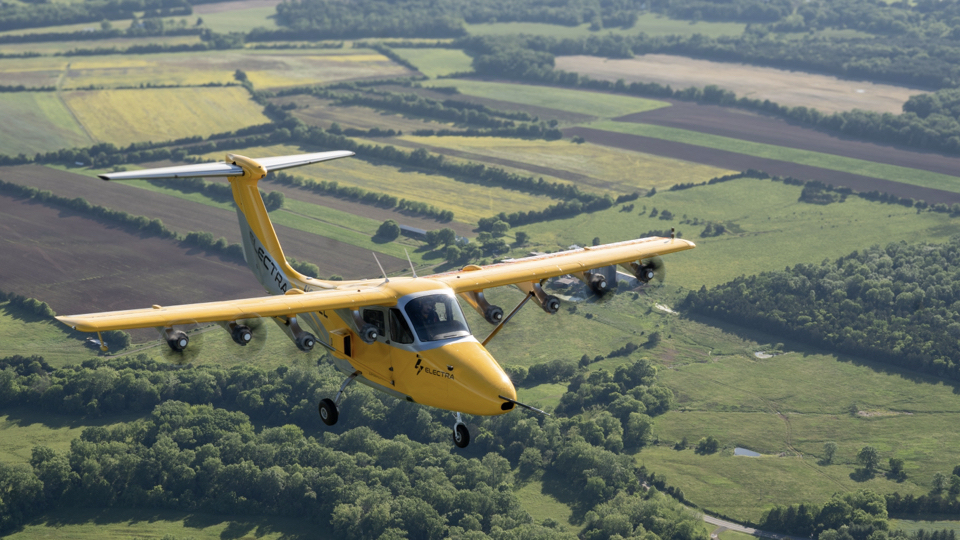
Runway thinking ends here.
Distributed electric propulsion, blown-lift architecture and quiet access for the next layer of regional mobility.
Built to connect compact sites, regional hubs and hard-to-reach destinations with less noise and less infrastructure.
A different aircraft deserves a different page.
This layout focuses on the operational story instead of repeating a product brochure: where it lands, how it flies, why it is quieter, and what kind of network it unlocks.
Compact Access
Designed around short approach paths and practical urban-edge landing zones.
Quiet Footprint
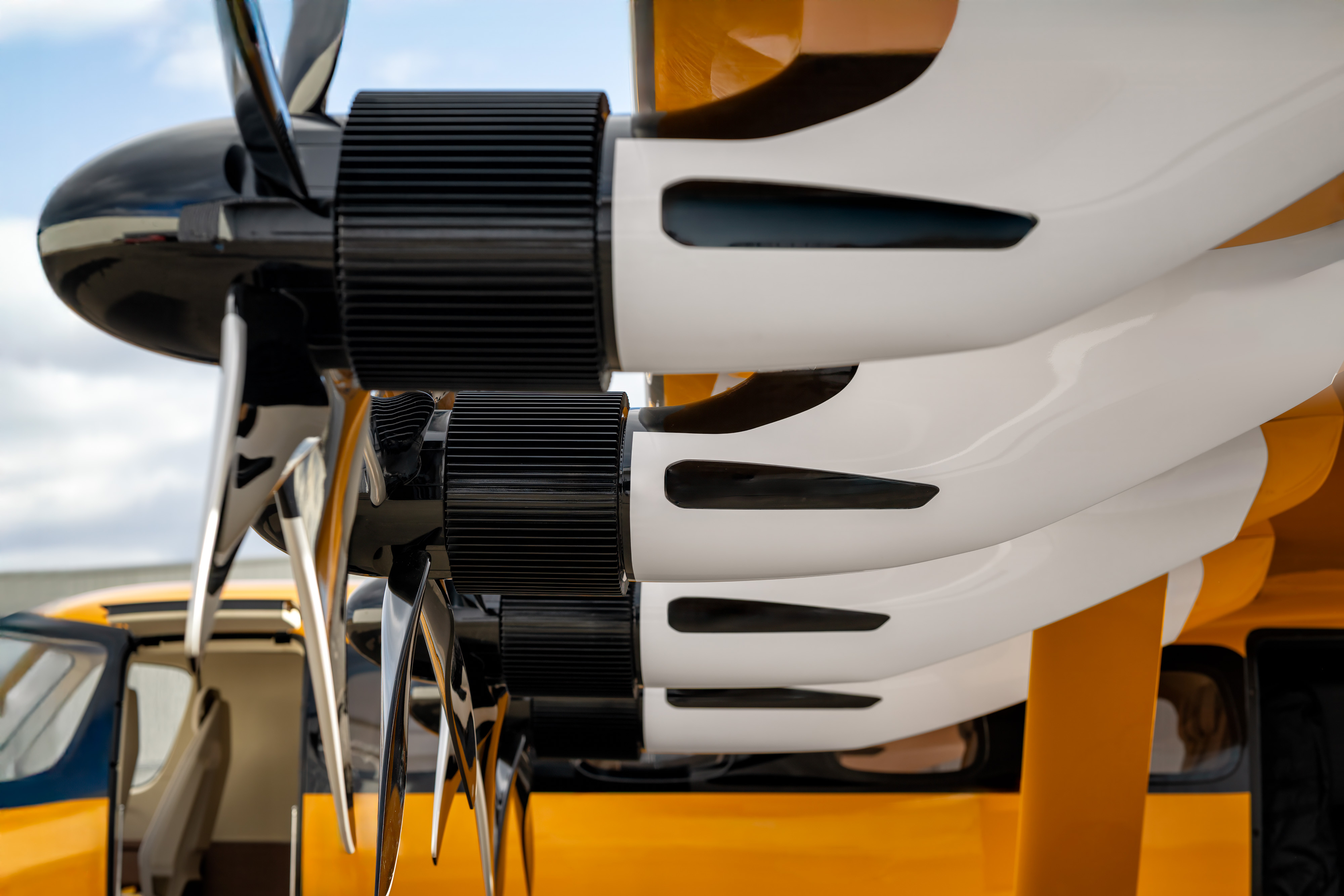
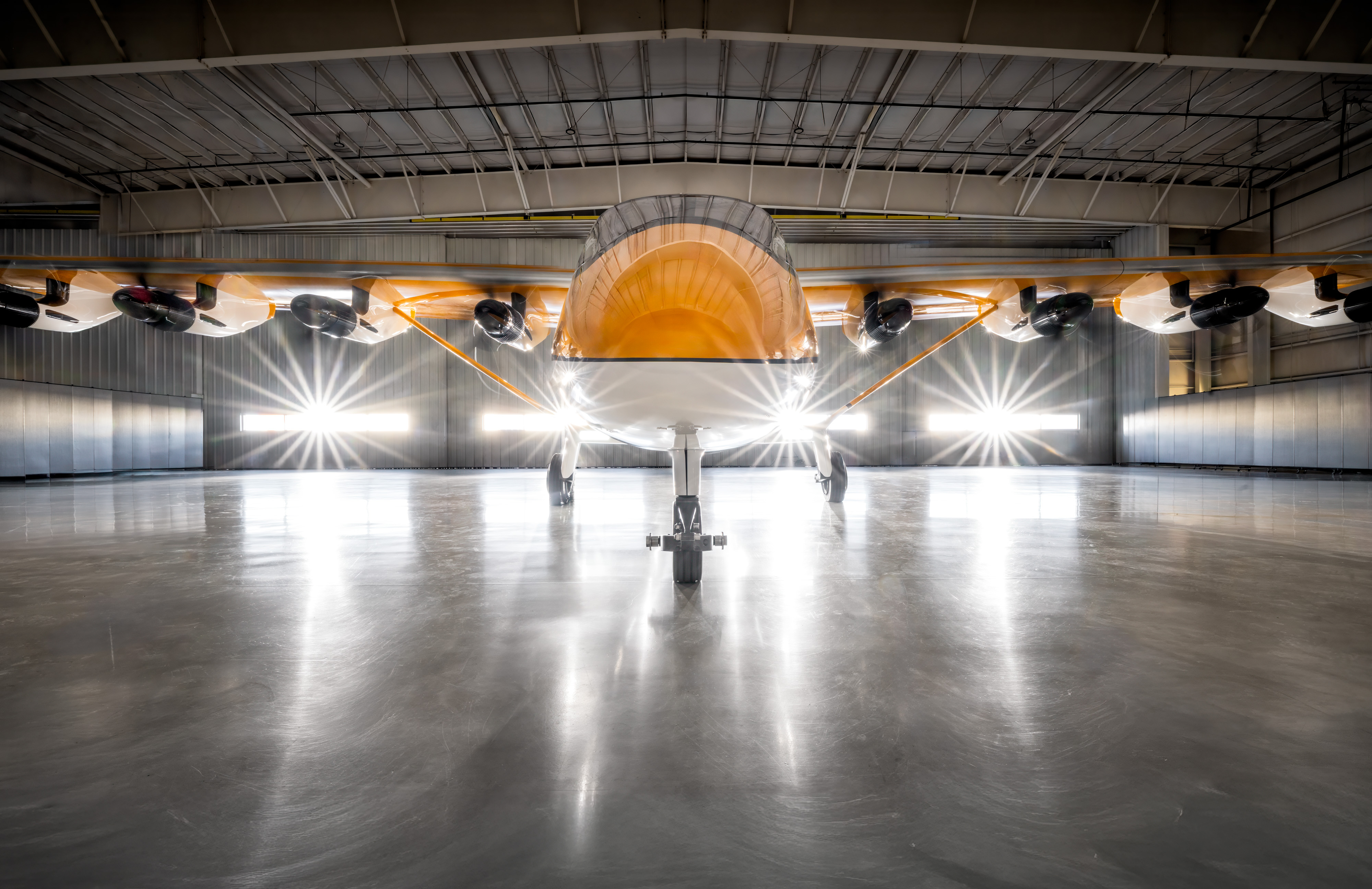
Multiple electric propulsors distribute thrust and help reduce perceived noise.
Lower Complexity
Hybrid-electric architecture supports efficient regional operations without airport dependency.
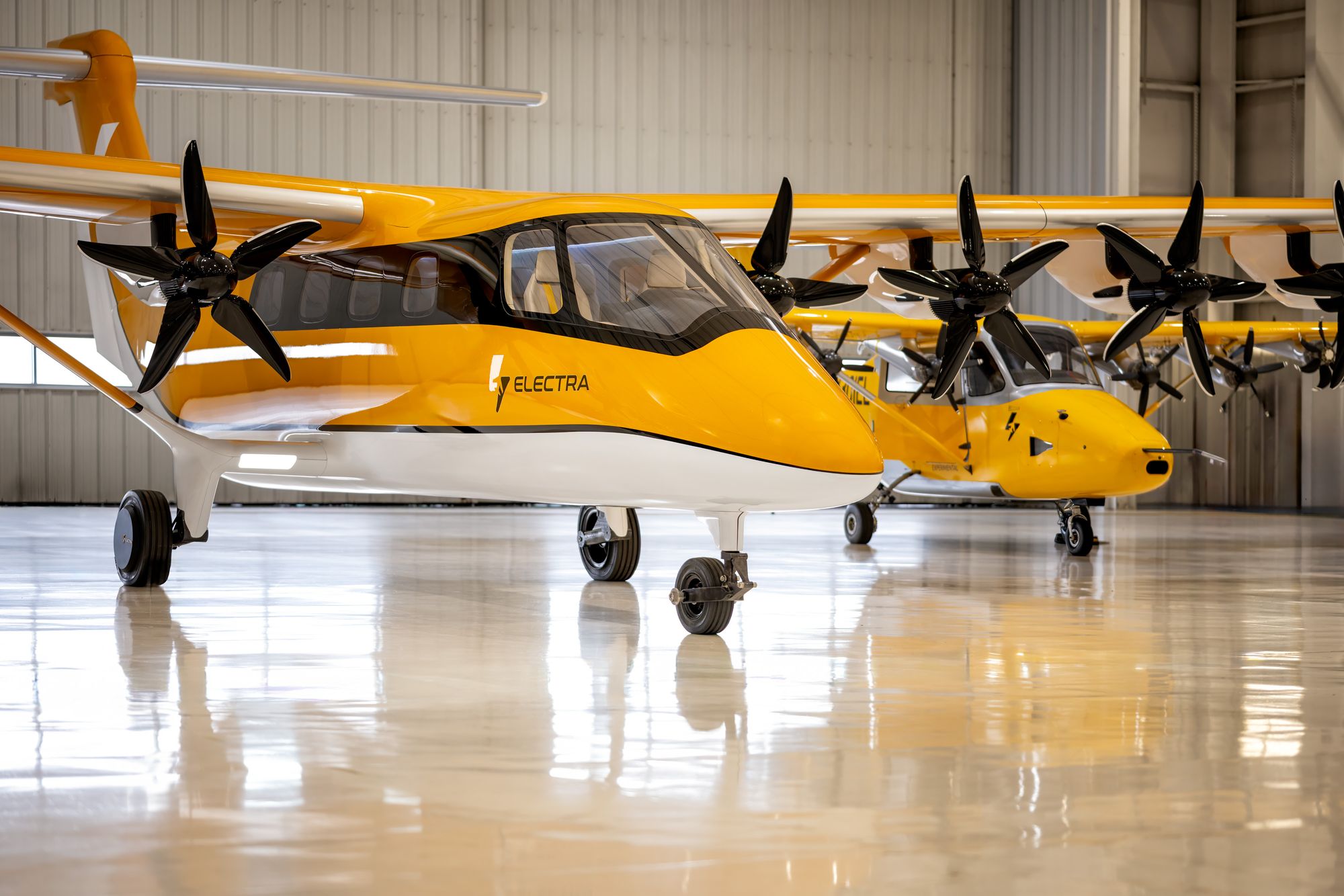
Lift is engineered, not borrowed.
Airflow from distributed electric motors is directed over the wing and flaps to create high lift at low speed.
Precision control from motor to flap.
A redundant fly-by-wire control approach coordinates flight surfaces and propulsion response for stable, repeatable ultra-short operations.
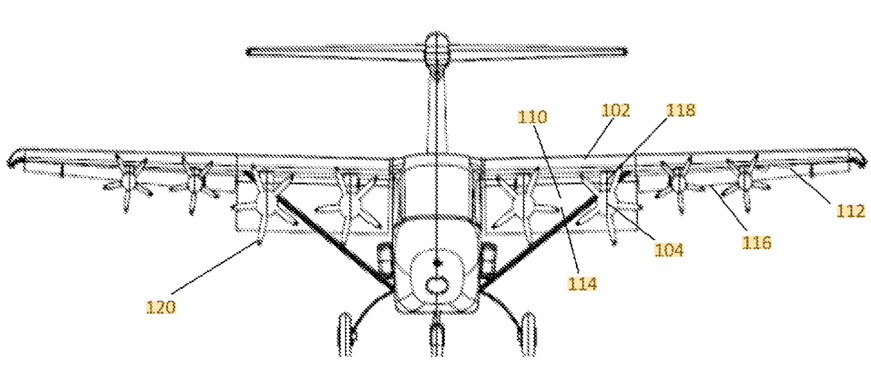
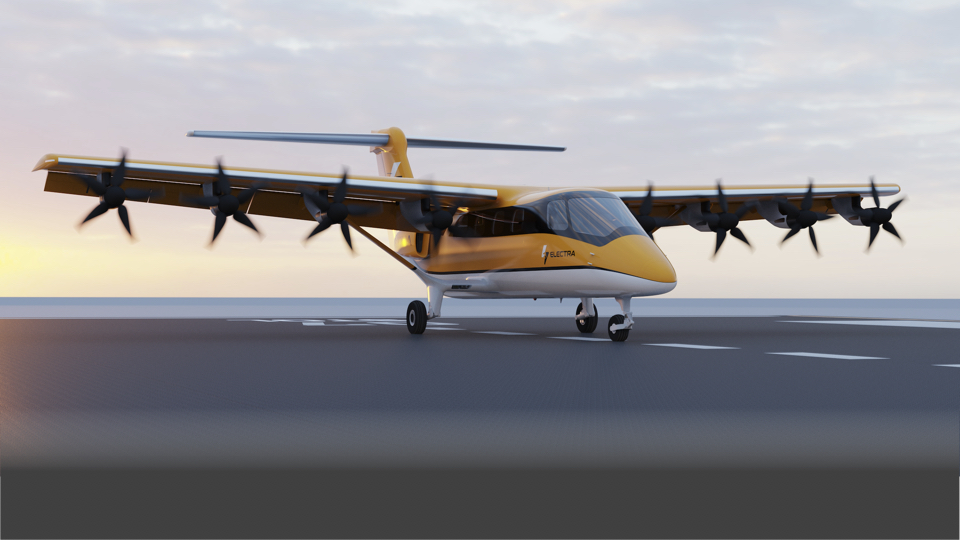
Short-field capability, shown in context.
Point-to-point travel without the airport bottleneck.
Connect people directly from where demand begins to where they actually need to arrive.
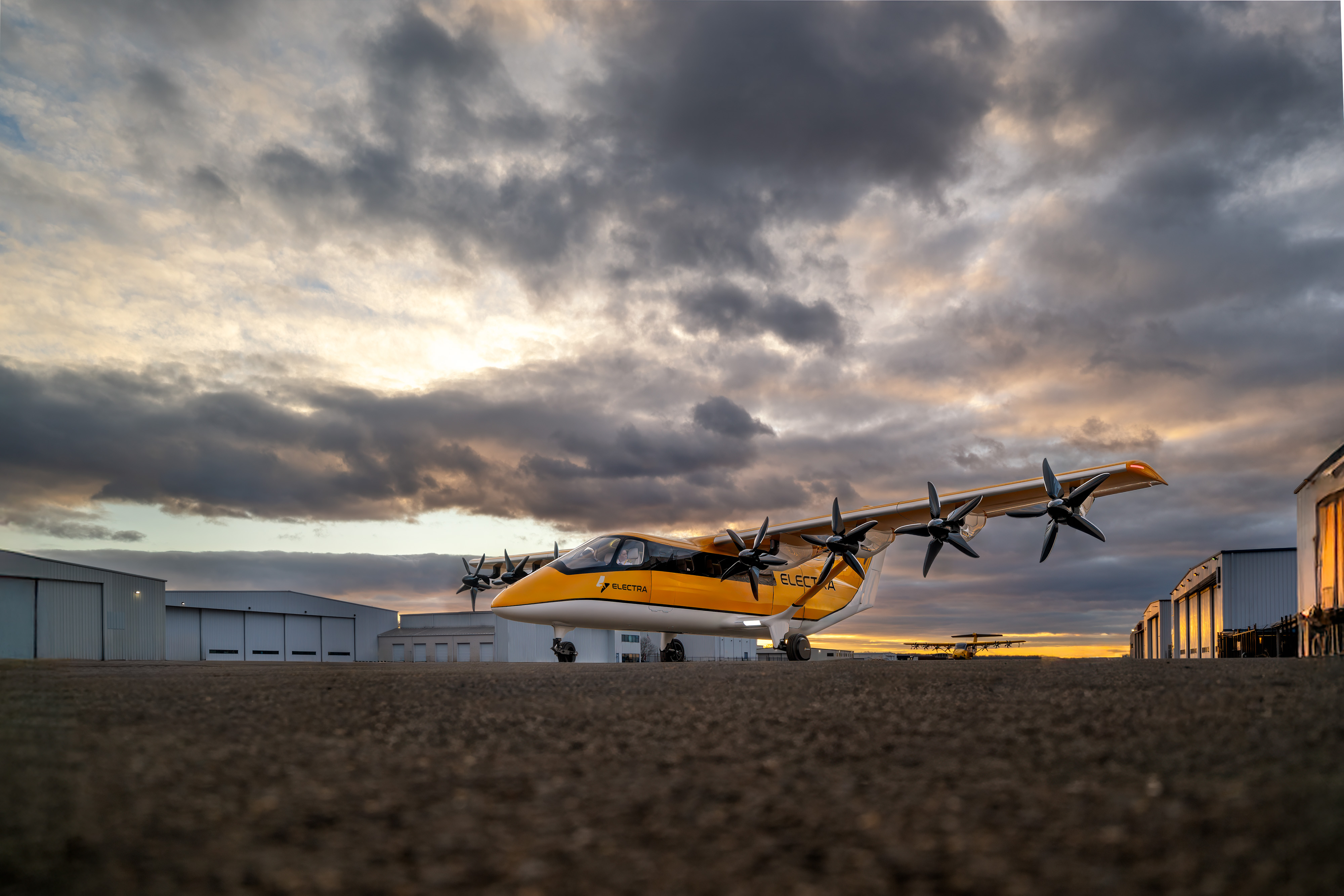
A cleaner layer for regional movement.
The aircraft story is positioned around access, efficiency and useful infrastructure—not just speed.
Start a Conversation